
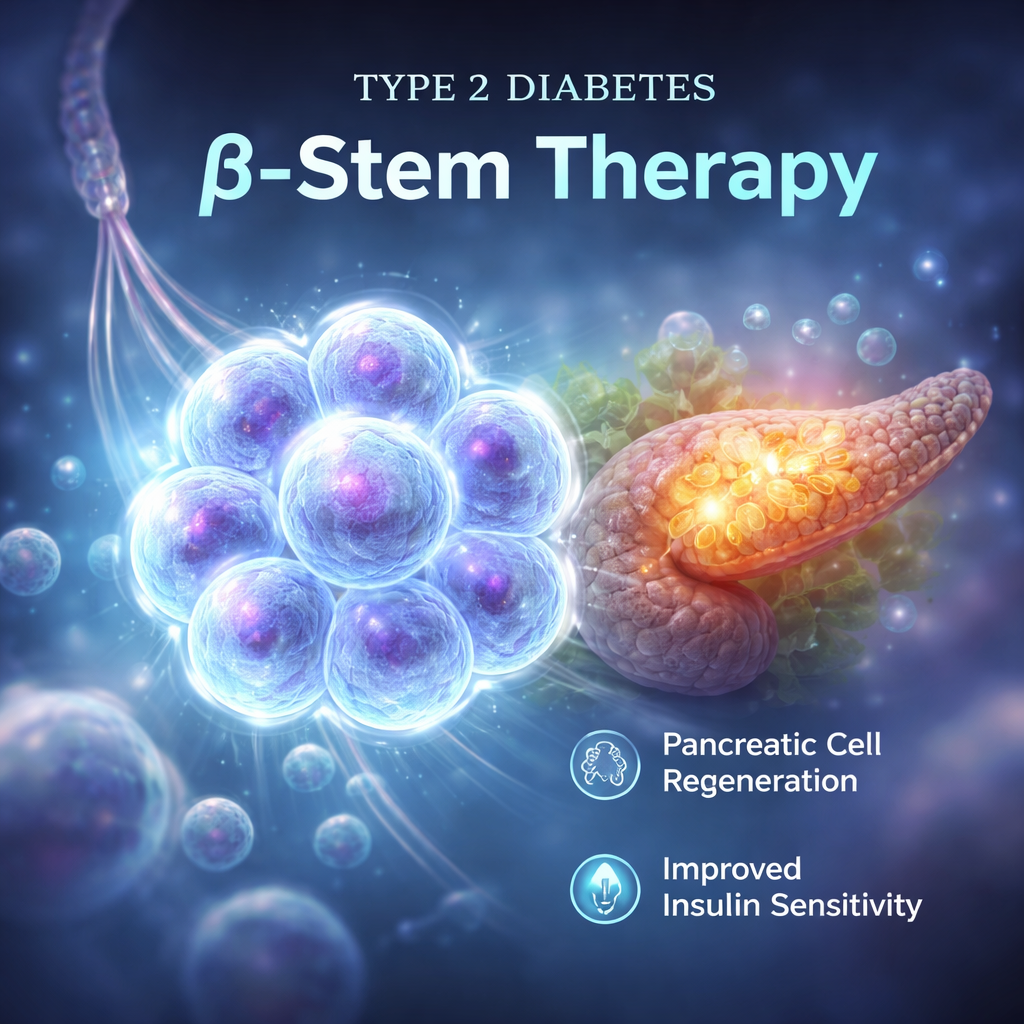
Type 2 Diabetes (β-Stem)
β-Stem is a human umbilical cord–derived Mesenchymal Stem Cell (MSC) lead product developed for the treatment of Type 2 Diabetes by targeting pancreatic dysfunction, insulin resistance, and chronic metabolic inflammation.
Type 2 Diabetes is a progressive metabolic disorder characterized by impaired insulin secretion, reduced β-cell function, and systemic insulin resistance. β-Stem is designed to address these underlying pathological mechanisms rather than providing only glycemic control.
Umbilical cord–derived MSCs possess regenerative, immunomodulatory, and metabolic regulatory properties that make them suitable candidates for diabetes-related tissue repair and functional restoration.
β-Stem is being developed to deliver durable metabolic benefits for patients with Type 2 Diabetes, including:
β-Stem is part of RCT’s metabolic disease research pipeline. Ongoing development efforts focus on evaluating safety, biological activity, and translational potential to support future clinical studies in Type 2 Diabetes.